Landscape Masterplan for the new district of Haargarten
Wiltz, Luxemburg
Description: Landscape masterplan Haargarten / Plan d’Aménagement Particulier (PAP)
Location: Wiltz, Luxemburg
Area: 7.6ha
Stage: Concept design, Detailed design
Status: Detailed design ongoing
Period: Since 2021
Client: Fonds du Logement
Urbanplanners: a+a
Djao-Rakitine Team: Irène Djao-Rakitine, Amélia Chevée


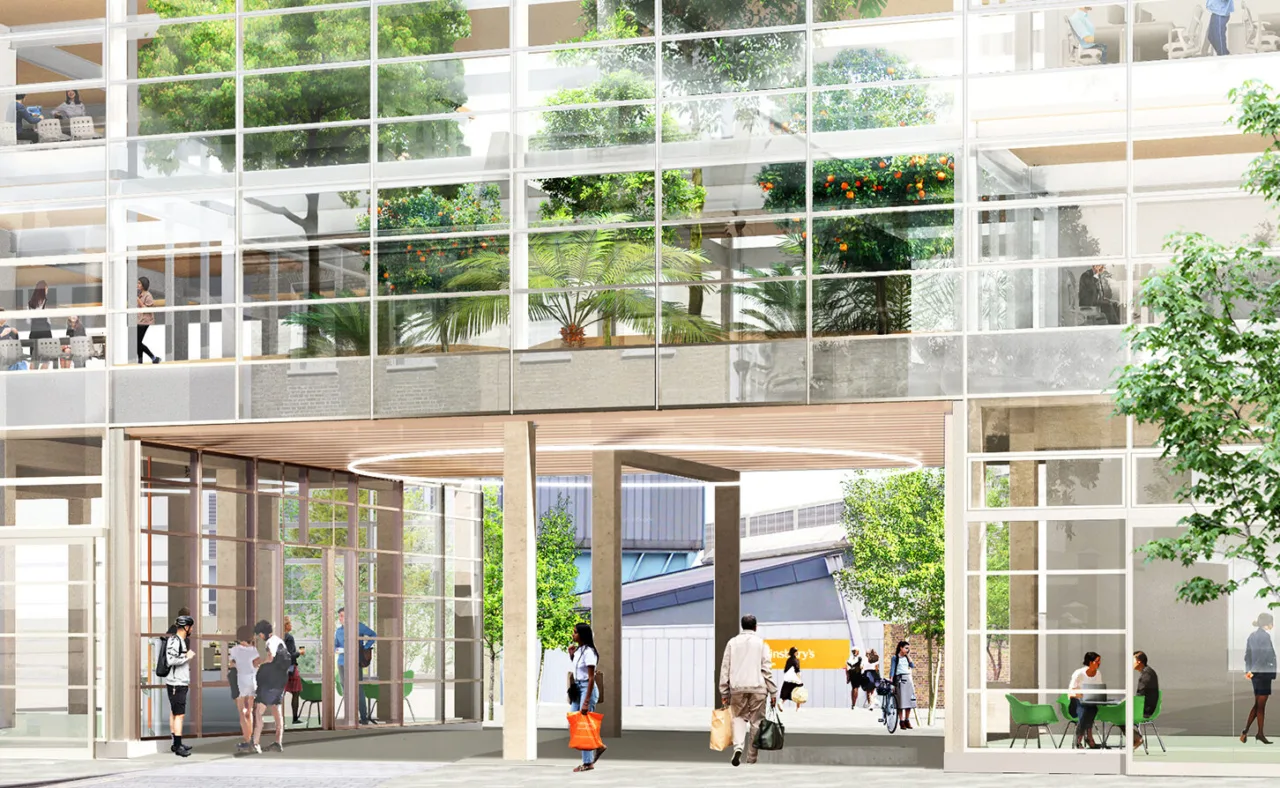
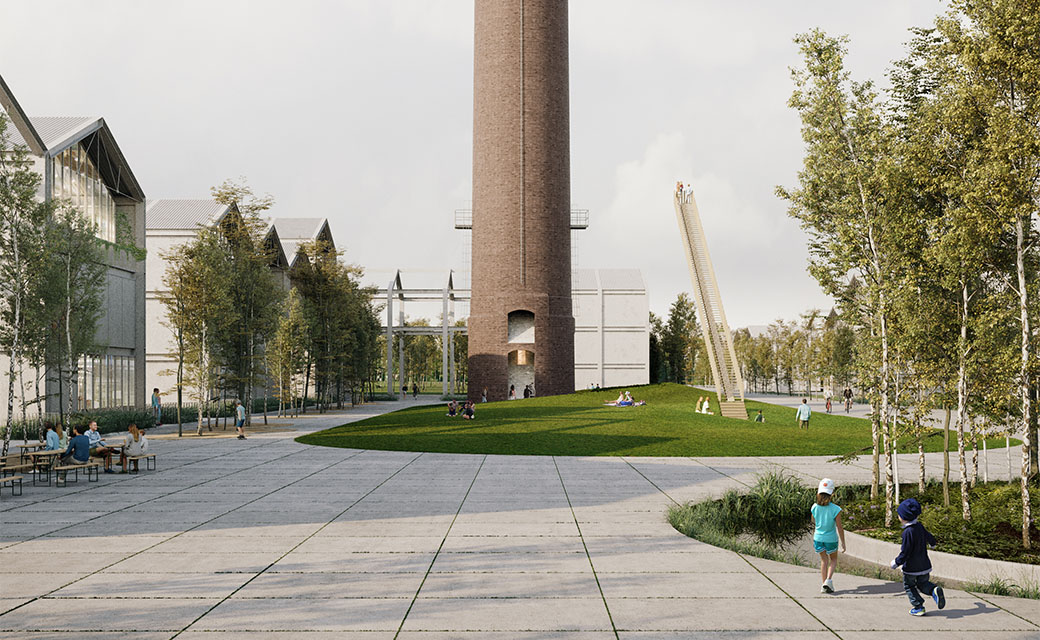
The Haargarten district has been developed in continuity with the existing urban fabric while enhancing the spatial, geographical, landscape, historical and cultural qualities present on the site.
To create a district that is both anchored in its territory, in line with its context, welcoming, accessible and environmentally strong, we have developed different typologies of public spaces. To do this, the project is based on the orientation of the site, its marked topography, the nature of its soils, its industrial past and its hydrological system.
The improvement of biodiversity and the enhancement of the site's landscape specificities are therefore central elements in the design of the project's master plan. Within this approach, the reduction of the site's waterproofing and the implementation of an alternative, open-air rainwater management system were cursors in the landscape design through a network of valleys connecting the entire district to a retention basin, the low point of the district and the new wet garden.
To improve biodiversity, the project plans to diversify plant strata: herbaceous plants, perennials, bushes, shrubs and shrubs. Rustic, local, non-allergenic, non-invasive species adapted to the soil and climate of the region are preferred. The range also includes species that are resistant to global warming (extreme heat and drought).
The choice of native plant species favours the proposed differentiated management system. It is an ecological management method adapted to each space, according to its frequentation, its location, its vocation.

All images are © Djao-Rakitine, unless otherwise stated.